Comfort · 6 min · 2 September 2026
What makes a sofa comfortable
Comfort is four measurements and one material decision — seat depth, seat height, back angle and cushion fill.
The short answer
Seat depth sets the posture, seat height sets how easily you stand, back angle sets how far you recline, and cushion fill sets how much you move. A comfortable sofa matches those four to your body and your room, not to a marketing word like plush.
Comfort is not softness. A sofa can be soft and unpleasant to sit in for an hour, and firm and completely comfortable for an evening. What people describe as comfort is the sofa agreeing with their body in four places at once.
Seat depth
The distance from the front edge of the seat to the back. 22 to 24 inches suits most people sitting upright. Deeper than 26 inches and shorter sitters lose the support of the back cushion unless they add a pillow.
Seat height
17 to 18 inches from floor to the top of the compressed seat suits most adults: feet flat, knees roughly level with the hips, easy to stand. Low-profile sofas at 15 inches are comfortable to lounge in and harder to leave.
Back angle and back height
A back that leans 100 to 105 degrees from the seat supports the lower back without pushing you forward. Back height decides where the sofa lands on your shoulders: 28 inches is low and open, 32 inches and above supports the head.
Cushion fill
High-resilience foam holds its shape and needs little attention. A feather wrap softens the first inch and makes the seat feel deeper than it measures, but needs plumping. Foam wrapped in feather is the usual compromise, and the one we specify.
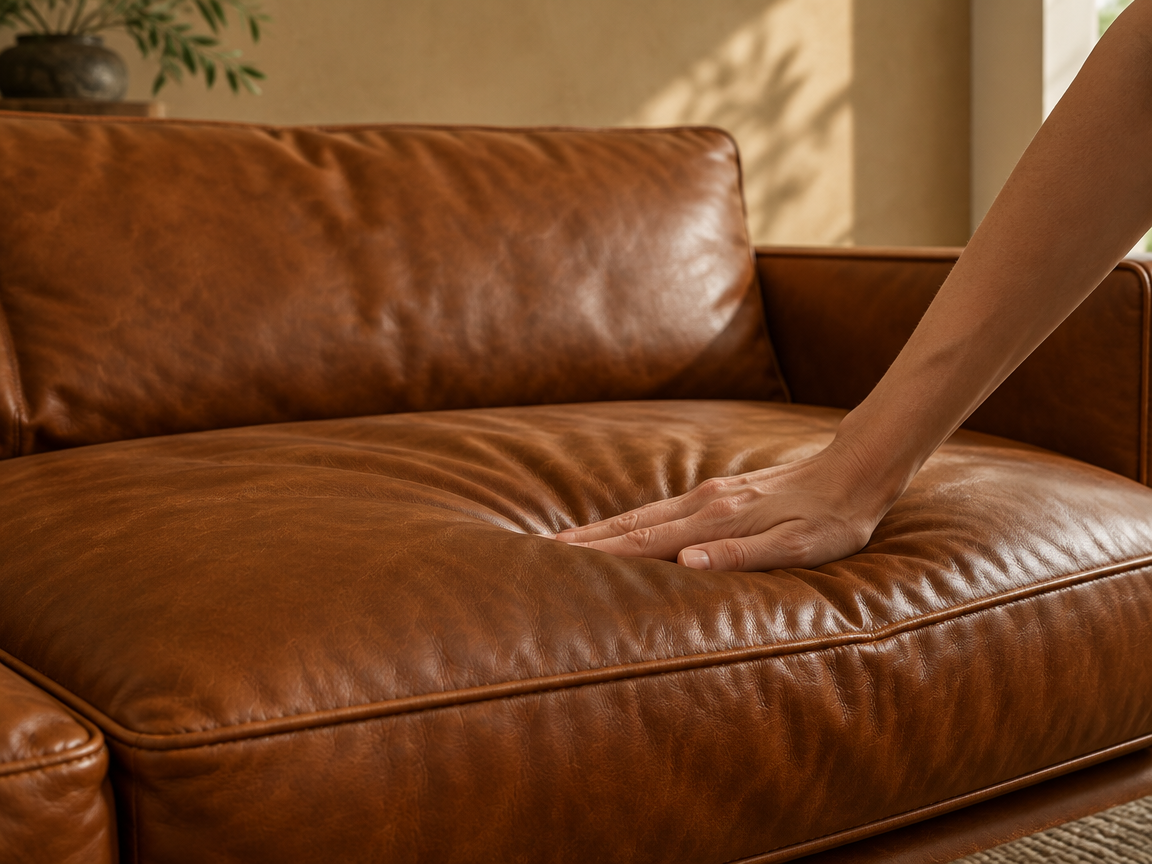
Firmness should be judged after ten minutes, not ten seconds. Sit for a while, then notice whether you have shifted position to avoid a pressure point. That shift is the honest review.
Keep reading
Buying
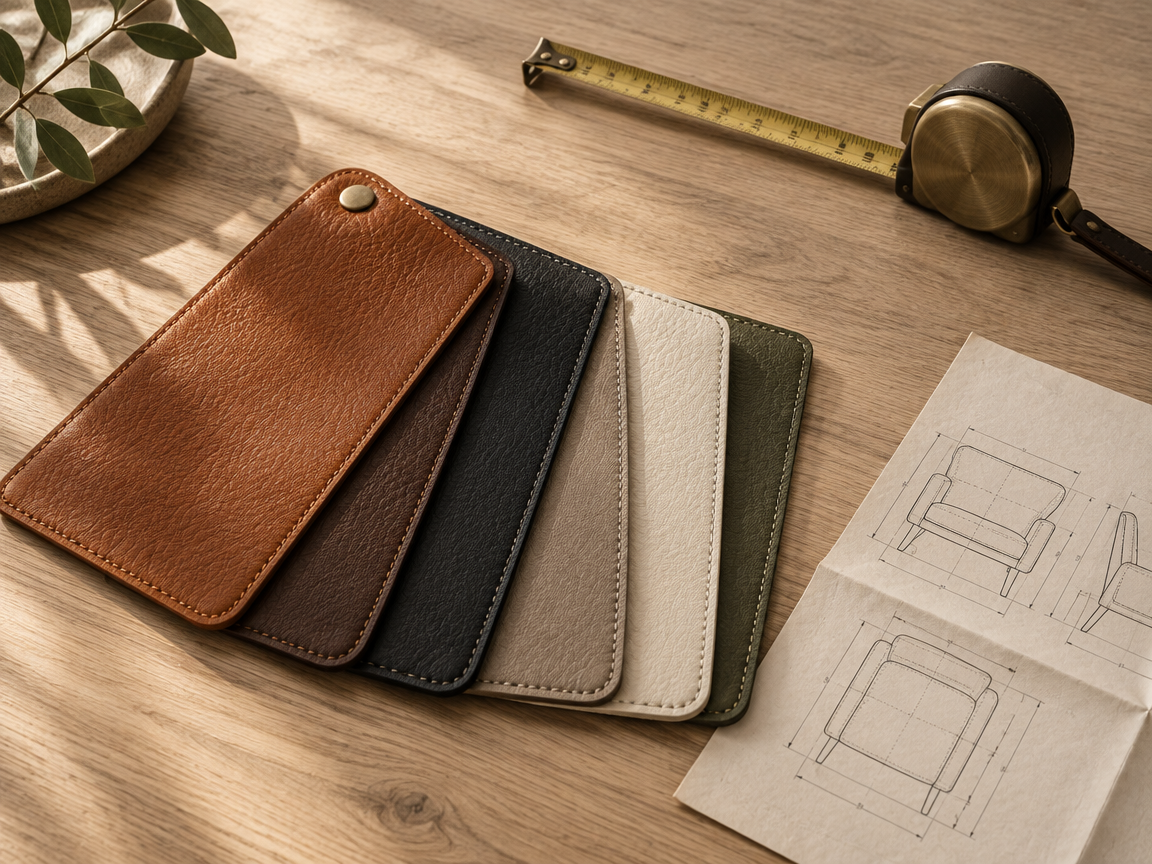
How to choose a leather sofa
Choose the room first, the seat depth second and the leather third. Everything else follows from those three decisions.
Materials
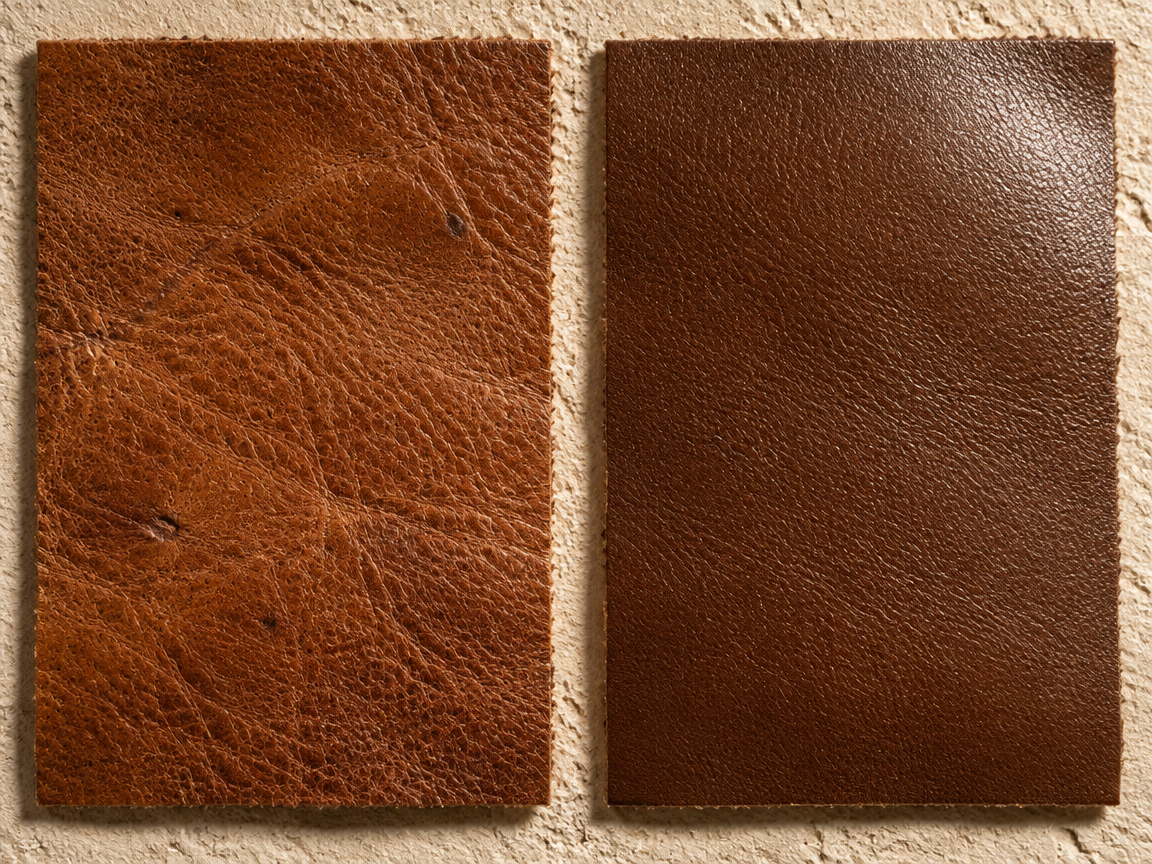
Aniline vs semi-aniline leather
Same hide, different finish. One is left open and takes on everything; the other keeps the grain and gains a thin protective coat.